
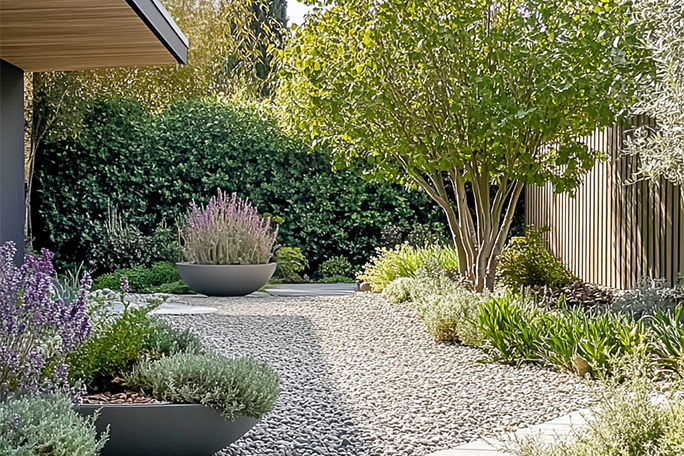
Edible & Pollinator Landscape Design – Pasadena, CA
Red Berm designs edible and pollinator-friendly landscapes that do more than look good, but serve, nourish, and regenerate. Our Pasadena-based design studio specializes in transforming residential and small commercial properties into functional ecosystems that produce food, support biodiversity, and enrich outdoor living.
Whether you’re interested in growing herbs, fruits, or vegetables or you want to build a pollinator corridor that attracts bees, butterflies, and beneficial insects, we create layered, efficient layouts that integrate seamlessly with your architecture and climate.
We don’t sell plants or pre-made kits. Every design is built from the ground up, based on your site conditions, use goals, and design preferences. Through CAD plans, SketchUp visuals, and optional 3D renders, you’ll see exactly how the space will look, function, and grow over time.
We consider:
- Pasadena’s Mediterranean microclimates
- Native and drought-tolerant edible species
- Soil amendments and composting strategy
- Urban wildlife compatibility
- LEED or city compliance (if needed)
Productive Gardens with Purpose, Beauty, and Ecological Impact
Custom Edible Gardens
We design gardens that deliver fresh food and herbs with minimal water use and long-term viability. Our edible garden designs include:
- Raised beds, in-ground plots, or vertical growing systems
- Crop rotation and companion planting plans
- Integration with your irrigation system
- Trellising, espalier, and orchard layouts for tight spaces
- Seasonal planting guides tailored to Pasadena’s growing calendar
We factor in your soil, sun, elevation, and shade, ensuring every element supports real yields, not just ornamental value.
Pollinator-Focused Planting
Pollinators are critical to both garden productivity and ecological balance. Our designs attract native pollinators with:
- High-nectar plant species timed for continuous bloom cycles
- Color-block planting for visual appeal and bee navigation
- Host plants for butterflies and beneficial insects
- Shelter zones using dense shrubs, grasses, and rock features
- Avoidance of invasive or chemically dependent species
Each plan is customized for Pasadena’s native pollinator populations and regional conservation standards.
Integrated Systems for Function and Flow
Our edible and pollinator landscapes are not segregated zones; they’re woven into the whole landscape plan. We integrate:
- Pathways, patios, and seating areas within productive zones
- Lighting and irrigation tailored to edible beds and insect habitats
- Fruit-bearing vines or herbs as living borders or privacy screens
- Aesthetic continuity between edible, ornamental, and structural features
Why Choose us
Why Choose Us for Edible & Pollinator Landscape Design
Our plant selections prioritize Pasadena-adapted species, offering habitat and harvest with low water needs, seasonal interest, and ecological benefits for years to come.
We supply compliant planting plans and water usage documents that align with Pasadena’s codes, MAWA limits, and design review boards, streamlining your approval process.
We design with the full system in mind (sun, slope, soil, wind, and pollinator range) to ensure your edible and habitat zones are both functional and self-supporting.
FAQs
We regularly blend productive plants with ornamental natives to achieve a balanced aesthetic that supports pollinators and still complements architectural surroundings.
Our plans include plant spacing, fencing recommendations, and species choices that help minimize unwanted pests while encouraging beneficial insects and natural balance.
Design can begin at any time. Fall and winter planning allows for spring implementation, while spring planning can prepare for summer/fall planting.
If requested, we can build multi-season layouts and provide suggestions for rotation schedules, soil health, and planting cycles to extend productivity.